
Vanity, Beauty, and Exposure
Far from the Madding CrowdThis thematic flow traces how Bathsheba’s beauty begins as a source of playful confidence and becomes both social power and emotional burden.
increasing Bearing strength in each event
 decreasing
Bearing strength in each eventdecreasingThe Mirror on the Wagon

Beauty as Self-Regard
A private pleasure
Bathsheba studies herself in a small mirror while the wagon waits. The scene suggests that she enjoys her own appearance before she knows the social consequences it can bring.
Gabriel’s judgment
Gabriel calls her vain, turning an isolated gesture into a defining interpretation. The gap between what he sees and what she intends begins the novel’s concern with appearance.
The Market’s Gaze
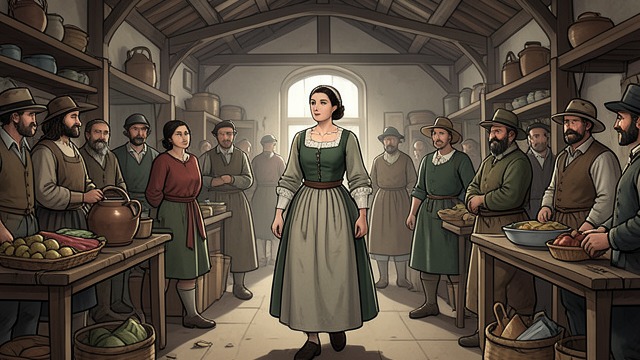
Beauty in Public
The woman among farmers
Bathsheba conducts business in a room where she is the only woman. Her presence changes the atmosphere before she has said anything.
Admiration as pressure
The same beauty that attracts attention makes professional independence harder to exercise unnoticed. Social admiration can empower her and reduce her to an object of observation.
Troy’s Flattery

Praise as Persuasion
Direct admiration
Troy tells Bathsheba that she is exceptionally beautiful and describes the effect she has on men. His praise is lively and skillful.
Discernment weakened
Bathsheba partly recognizes the performance but is still moved by it. Beauty becomes an opening through which flattery can influence judgment.
The Wife’s Insecurity
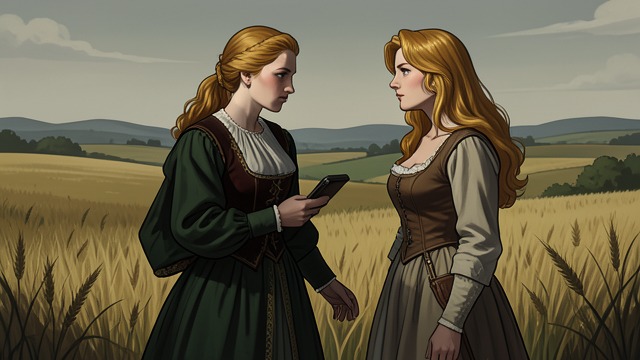
Beauty Cannot Secure Love
Comparison with Fanny
Bathsheba learns of the golden-haired woman in Troy’s past and compares herself with her. Her confidence in her own appearance no longer protects her from jealousy.
A burden revealed
She recognizes that being admired is not the same as being loved faithfully. Beauty has brought attention, but it cannot repair the marriage she chose.
Beauty After Grief
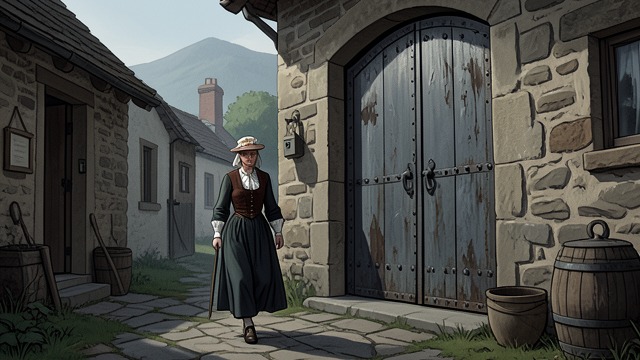
A Quieter Presence
Change through suffering
Bathsheba’s exuberance is subdued by loss and regret. Her appearance no longer serves as her chief public power.
A different recognition
Gabriel’s affection rests on shared history and work rather than idealizing her beauty. The ending shifts value from display toward durable companionship.
a mild morning in December
her first public visit to Casterbridge market
during the hayfield courtship
the first autumn of marriage
near the final winter
